Get Help
About SAL 12-Step
SAL 12-Step is a subset of S.A. Lifeline Foundation and is committed to providing free, lifelong support through traditional, spiritually based, non-denominational, gender-specific, trauma-sensitive, sponsor-essential, 12-step meetings for men and women experiencing unwanted sexual behavior and betrayal trauma.
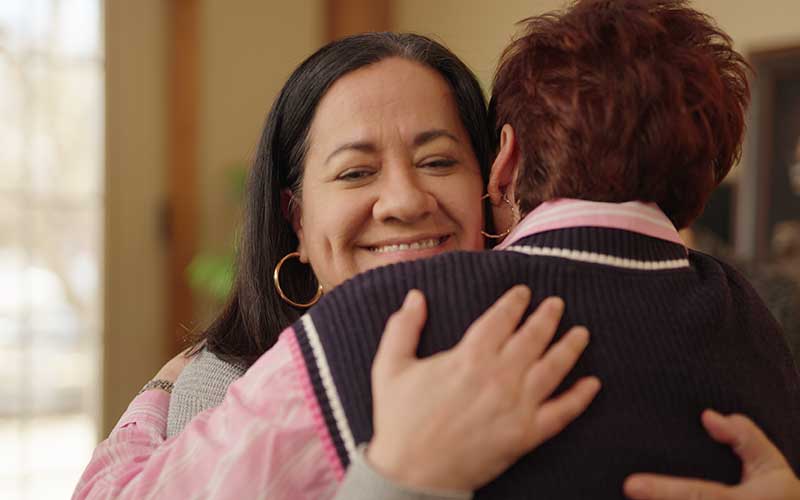
We have found that working the Steps with a sponsor and a community of people who are also actively working their recovery is the most essential element of lifelong recovery and continual mental, emotional, and spiritual health.
A consistent format is an important and unique element of the SAL 12-Step program. No matter which meeting is attended, in-person or online, members can expect a familiar experience.
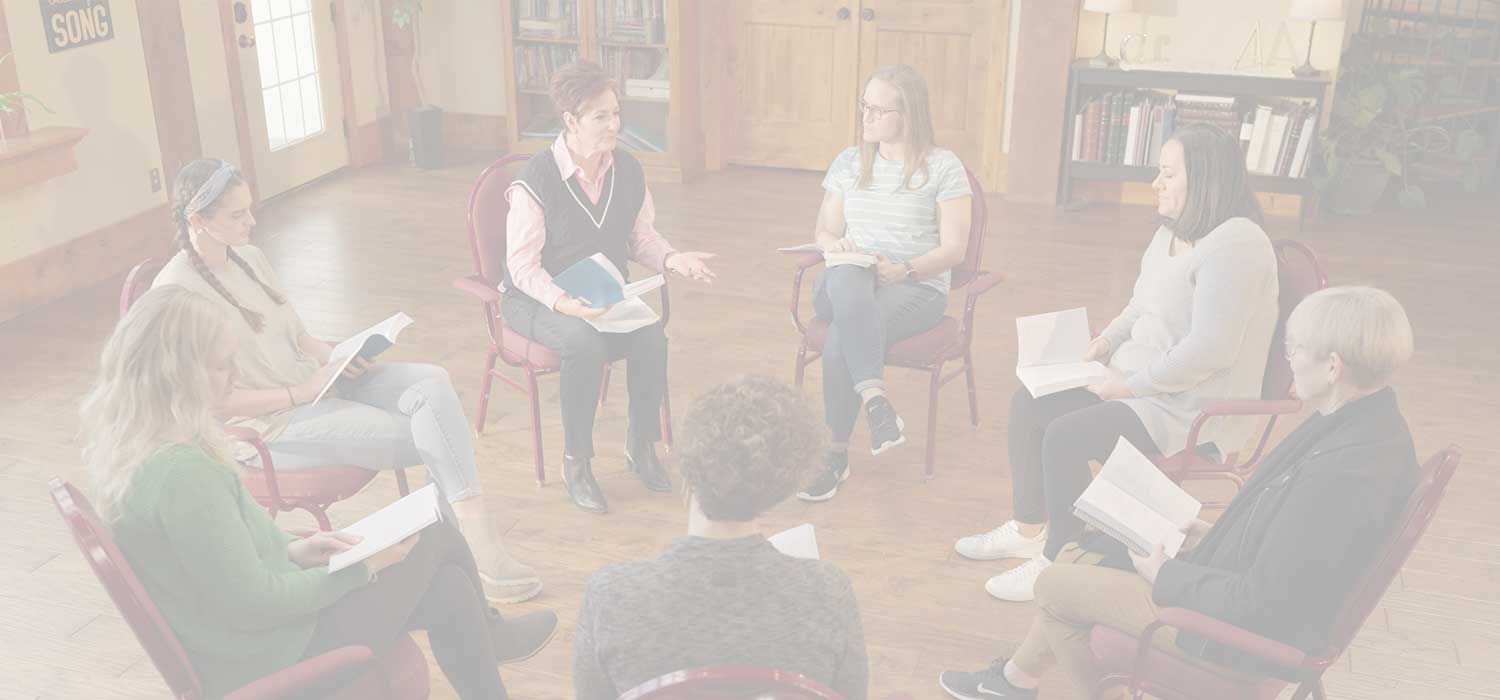
Each SAL 12-Step group is autonomous but is required to adhere to the format and use approved scripts and readings. Meetings occur weekly at the same time and same place. Meetings start on time and end on time. Group moderators read from authorized scripts. Meetings last 90 minutes and include four segments. (By listening to our podcast in the following links, you can learn what to expect from women’s meetings and men’s meetings.)
A meeting’s four segments
-

1. Opening — 25 minutes
Call to order reading; opening prayer from the heart; opening readings, introductions (online participants must be onscreen for their brief introduction for safety of the group); recognize sobriety milestones with chips; announcements; and group business.
-
2. Step Study or occasional topic study — 30 minutes
Members read aloud from the approved material list. Members offer comments that are relevant to the topic. Such comments are brief and are based on personal experiences of strength and hope. Step study is intended to guide the group to a meaningful recovery-based discussion.
-
3. Member shares — 30 minutes
Shares may include personal religious experiences; however, proselytizing is not appropriate. Respect of all religious beliefs is fundamental to group unity. Shares are recovery-based and should take approximately 2 to 3 minutes or may be longer for smaller groups. Sharing is always voluntary.
-
4. Closing — 5 minutes
The last five minutes includes silent goal setting and personal reflection on recovery commitments; closing readings and a prayer from the heart, offered for the group by a member.
What are the 12 Tenets of SAL and SAL 12-Step?
- SAL recognizes compulsive, destructive sexual behaviors to be a behavioral or natural addiction.
- SAL recognizes that a spouse who is sexually betrayed by their partner experiences symptoms associated with Post-Traumatic Stress Disorder (PTSD), and which we identify as Betrayal Trauma.
- SAL defines sexual sobriety as follows: Sexual sobriety means having no form of sex with self; not pursuing actions of lust, such as using pornography; and having no form of sex with anyone other than the spouse. Our goal is to live in recovery, practice “positive sobriety,” and choose to actively surrender lust in all its forms to the God of our understanding.
- SAL recognizes the importance of a multi-faceted approach to working recovery as identified in the SAL Recovery Puzzle.
- SAL applies a trauma-informed lens to working recovery from sexual addiction and betrayal trauma.
- SAL 12-Step recognizes living in recovery from both sexual addiction and betrayal trauma requires strenuous work which cannot be accomplished in isolation.
- SAL 12-Step recognizes that living in recovery from sexual addiction and betrayal trauma is possible for all who actively follow certain steps.
- SAL 12-Step offers a similar pathway to recovery and healing for both sexually addicted persons and betrayed partners, though having a partner is not a requirement for membership.
- SAL 12-Step groups are male and female gender-specific. Due to the nature of sexual addiction, our members find more safety and healing in a same-gender setting.
- SAL 12-Step meetings are God-centered and non-denominational.
- SAL 12-Step meetings follow a standard 90-minute format.
- SAL 12-Step groups function autonomously while adhering to procedural structure and program guidelines from S. A. Lifeline Foundation.
We aim to provide the best support and resources available to individuals working the 12 Steps for Addiction and Trauma recovery, including specific curriculums for sexual addiction and betrayal trauma. More information regarding our 12-Step program & online courses can be found at SAL12step.org.
Visit SAL-12-Step WebsiteWhat is the difference between SAL & SA/S-Anon?
The main difference between SAL & SA/S-Anon is that SAL meetings are gender-specific, whereas SA/S-Anon are not. SAL believes that, due to the nature of sexual addiction, keeping meetings gender-specific is an important safety factor.
Additionally, SAL provides more organizational structure for our program. We strive to offer a uniform experience whether SAL meetings are held in Alaska, Texas, or in cyberspace, where people can expect the same format and procedures, the same emphasis on accountability and sponsorship, and the same focus on the God of your understanding at the center of recovery. SAL also offers additional resources such as The Circles Models, The Recovery Puzzle, and the Courses and Curriculums offered through sal12step.org.
SAL has the highest respect for SA and S-Anon and uses their literature with gratitude and respect for copyright.
Why doesn’t SAL 12-Step provide women’s addiction meetings and men’s betrayal meetings?
We recognize that sexual addiction and betrayal trauma are not gender specific issues. However, because SAL 12-Step meetings are run by volunteers working their own recovery, we must have a minimum of 3 qualified individuals to run meetings. We have attempted numerous times to start men’s betrayal trauma meetings and women’s sexual addiction meetings without success. We hope to start these meetings in the future.