Models of Addiction (Video)
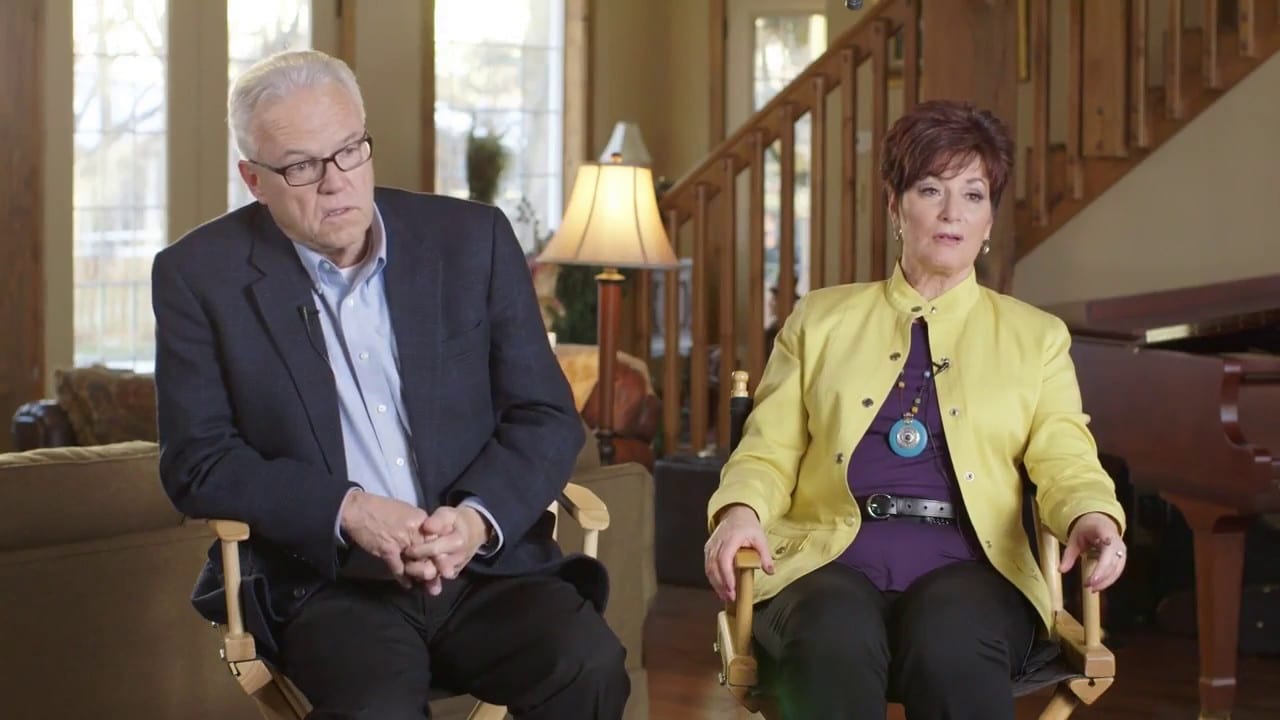
Steven & Rhyll Croshaw share about the models of addiction recovery.
A basic understanding of the brain, of the somatic responses of the body to trauma, of the addict cycle, and of the way addiction and trauma interact to create a dysfunctional family system are some of the basic building blocks that will help empower you.
Other principles to understand include boundaries, connection, surrender, bottom lines, mindfulness, intimacy, accountability, emotional awareness and sobriety vs recovery.
Addiction affects all of us.
Addiction is self-absorbed chaos. My feelings are focused on my own needs, not the needs of others.
The manifestation of these feelings will be shown with lust, defensiveness, unaccountability, hard-hearted, and blaming.
Acting out behaviors produce feelings of shame, which then start the addictive cycle all over again.
Self-absorbed chaos is inwardly focused.
“How can I fix this? How can I take care of him more? How can I be there for him?” vs. “He’s driving me crazy. He’s taking over my life. When’s the next shoe going to drop?”
Neither of these ways of coping with the addict is healthy or helpful. As women, we are the nurturers – we want to take care of things and make things right. We’ll do all sorts of things: plastic surgery, crash diets, etc. – anything to “fix” the addict problem.
These are trauma responses; they produce fear and co-dependent behaviors.
See the Drama Triangle:

You don’t have to do this alone
A SAL 12-Step meeting is a safe, God-centered place to take your next right step — in person and online, worldwide.
Find a SAL 12-Step Meeting →
You are not alone in this
Take the next step with a SAL 12-Step meeting, the podcast, or the Digital Recovery Library.
Explore Recovery Resources